

-
Dubai Turath -
Nasomatto Baraonda 30ml. -
Oro e Miele Eau de Parfum 100 ml -
Brutus - perfume 50ml -
Nasomatto Nudiflorum 30ml. -
Abu Dhabi Extrait de Parfum -
Stercus - perfume 50ml -
Christos Eau de Parfum 100 ml — Giardini di Toscana -
Dubai Abraj -
ANI Extrait de Parfum 50ml -
Wild & Spicy Matin Martin Eau de Parfum 100 ml -
White Gold Eau de Parfum 100 ml -
Mutheer -
Narjesi Flower -
Dubai Fakhama -
Dubai Majalis -
Aquila Absolute 100ml -
Pesade Last Saffron Perfume -
Rosa Nigra Extrait de Parfum 100 ml Filippo Sorcinelli -
Pesade Lay Figure Eau de Parfum -
Pesade The New Error Unisex Perfume 100ml -
Pesade Mid Mountain Unisex Perfume 100ml -
Thorns Become Roses Extrait de Parfum 50 ml -
Veil Rose Eau de Parfum with Rose -
Pesade An Unseen Perfume -
Unisex Perfume Pesade Mid Mountain 30ml -
Pesade The New Error Unisex Perfume 30 ml -
Nishane Nanshe Extrait de Parfum 100ml -
Nishane Nanshe Extrait de Parfum 50ml -
Nishane ANI Extrait de Parfum 100ml -
Nishane Vain & Naïve Extrait de Parfum 50 ml -
Nishane Zenne Extrait de Parfum 50 ml -
Musc MOKA - Gourmet Coffee Extrait de Parfum -
Shabby Chic Eau de Parfum 100 ml -
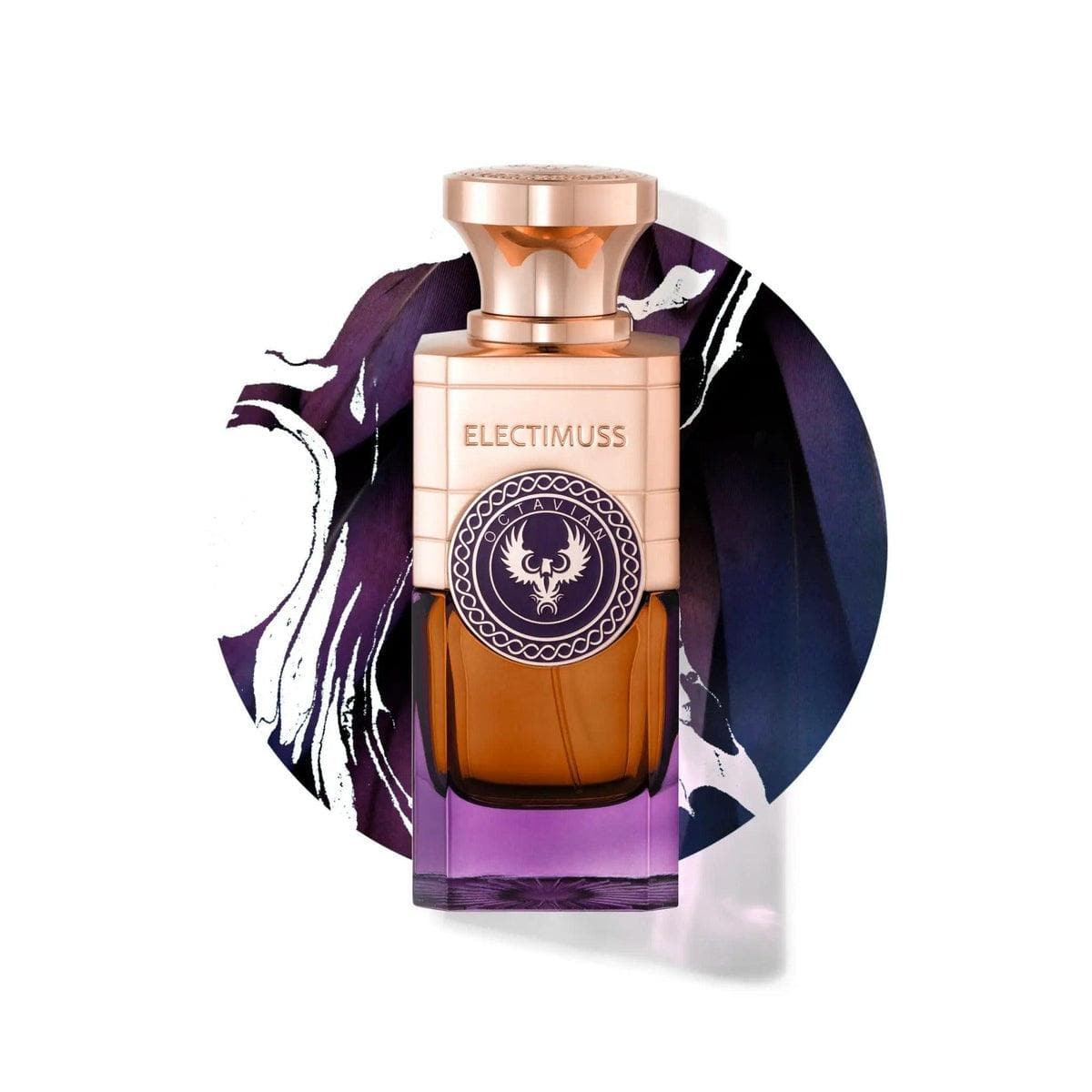
Octavian 100ml -
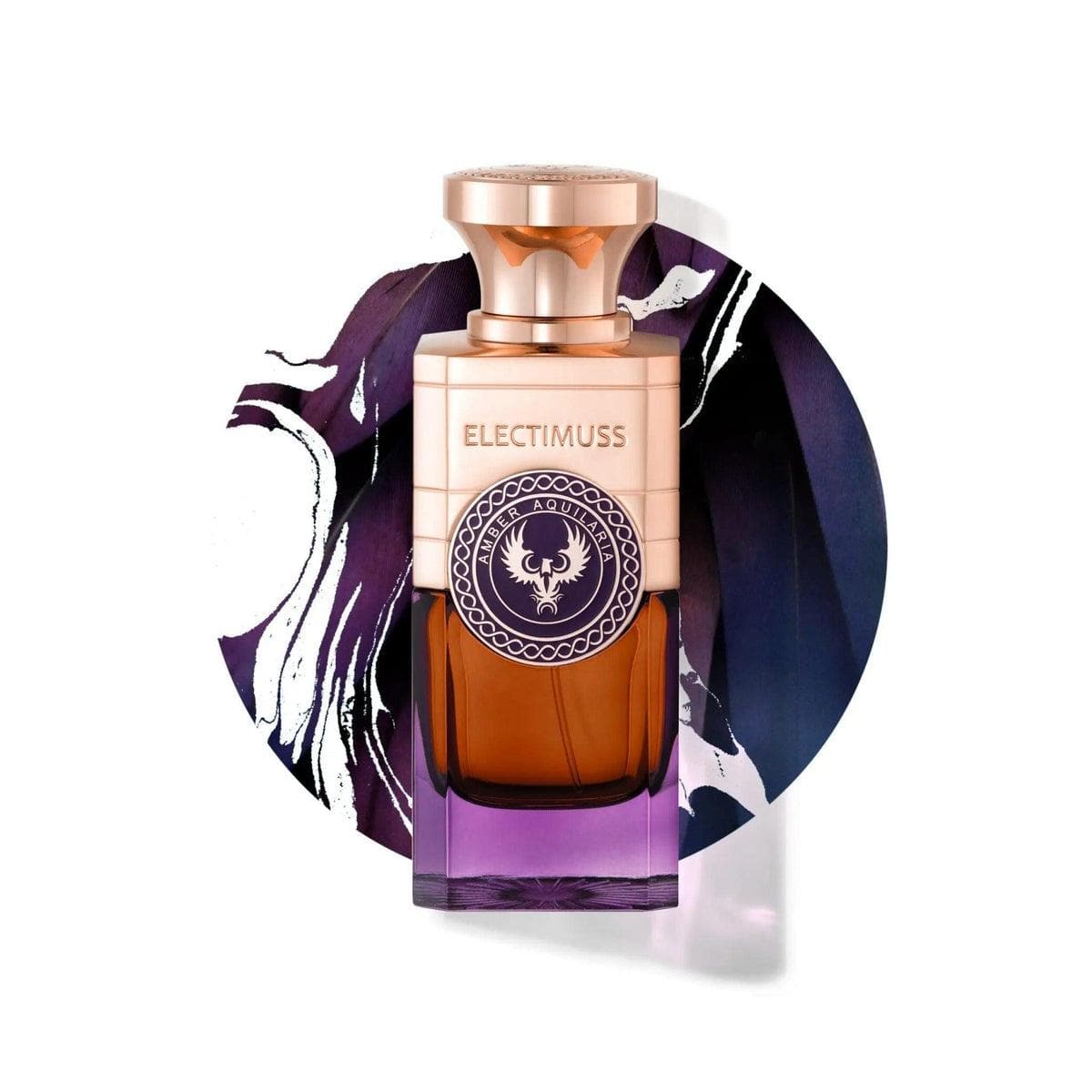
Amber Aquilaria 100ml



Niche perfumery · Rose
In niche perfumery, rose stopped being the flower of grandmothers long ago. It has become the material perfumers use to test their skill: extremely costly to extract, chameleonic, and capable of seeming metallic, jammy or almost flesh-like depending on what surrounds it.
There is no single rose
Damask rose, grown in Bulgaria and Turkey, is dense, honeyed and slightly fruity. Centifolia rose from Grasse is greener and more powdery. Taif rose, from Saudi Arabia, is the rarest and most expensive of the three: it has a peppery, dry facet that makes it immediately recognizable.
To give you a sense of scale: it takes around four tonnes of petals to produce one kilogram of essence. That is why a natural rose makes an immediate impression, and costs more.
The roses in our selection
Nishane Thorns Become Roses is our best-seller: lychee and raspberry at the opening, Turkish rose and mimosa at the heart, with a patchouli and sandalwood base. Julien Rasquinet built it as a metamorphosis, and you can feel it on the skin.
The Spirit of Dubai Turath brings Damask rose into an Arabic setting, with dried fruit, coffee and cinnamon. The Spirit of Dubai Fakhama brings three together — Turkish, Bulgarian and Damask — over oud and saffron. Electimuss Aquila Absolute pairs it with raspberry, cardamom and leather.
For a rose that doesn’t smell like a rose: Nasomatto Nudiflorum, where the flower lies beneath rhubarb, leather and animalic notes, and Giardini di Toscana Bianco Oro, kept dry by pink and black pepper.
Women’s rose perfume, and masculine rose
“Women’s rose perfume” remains the most frequent search, but in the Middle East, rose has always been considered a masculine note, and the European niche scene has followed suit. We sell spicy and leathery roses — Turath, Fakhama, Aquila Absolute — to everyone in the boutique, and more often to men than you might expect.
An honest warning. Natural roses change significantly on the skin: the same bottle can smell honeyed on one person and metallic on another. This is the family we insist most on trying before buying.
If you prefer to start with the fragrance family rather than the ingredient: oriental · floral. The full selection is in the niche perfumery hub.
Other ingredients: vanilla · oud · white musk · jasmine · sandalwood · patchouli · tuberose · tobacco · lavender · cinnamon.
If the three lines of notes on the product page seem like a list rather than a sequence, we have explained how to read them: the fragrance pyramid, and how to use it to choose.
Frequently asked questions
What is the difference between Damask rose and Taif rose?
Damask rose, whether Bulgarian or Turkish, is rich and honeyed. Taif rose, cultivated in Saudi Arabia, is rarer and has a peppery, spicy side: this is why it is paired with saffron and oud in Arabic perfumery.
Are rose fragrances only for women?
No. In Middle Eastern tradition, rose is very much a masculine note, and in contemporary niche perfumery, spicy, leathery, or smoky roses are worn without distinction of gender.
How can you tell a natural rose from a reconstructed one?
The natural one has nuances that change over time — green, honeyed, slightly spicy — while the reconstructed one remains more consistent. On the skin, the difference becomes noticeable after the first half hour.